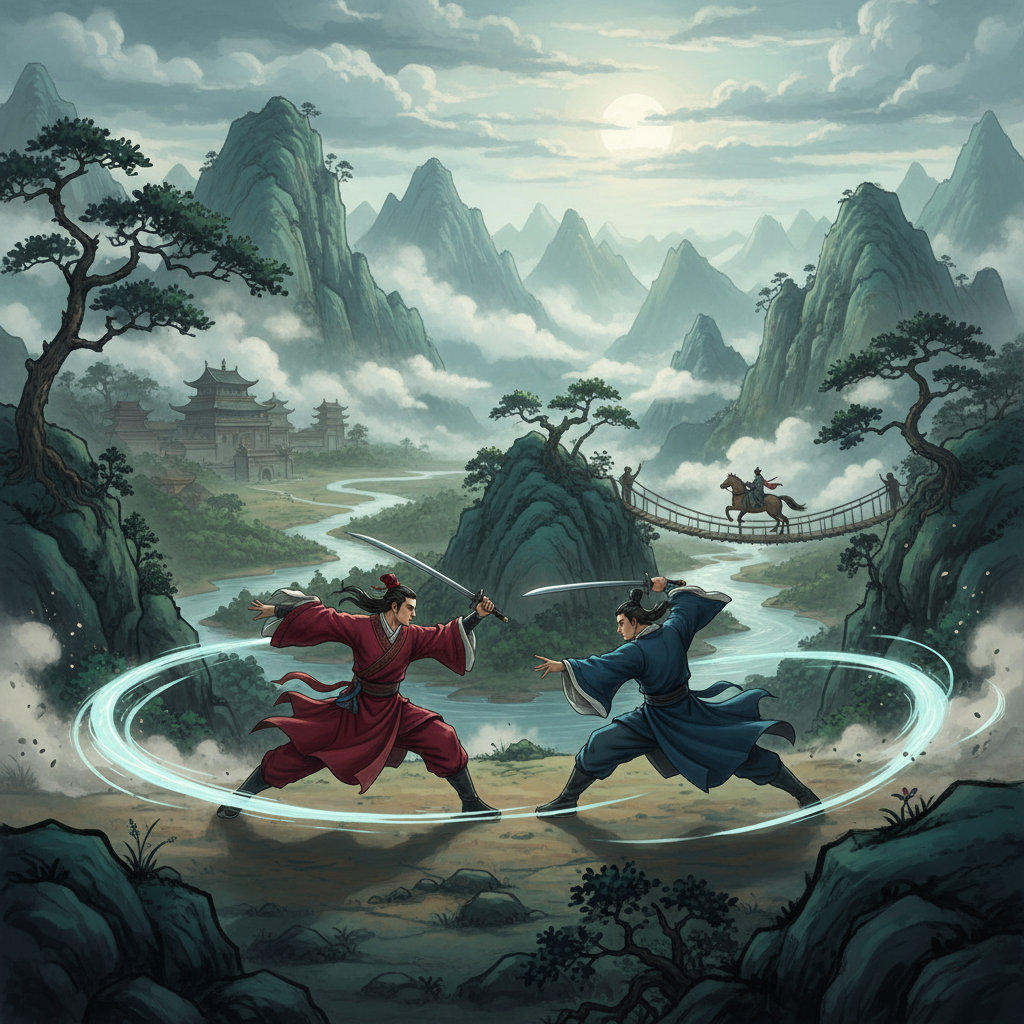
Understanding Wuxia: The Sword and Sorcery of Chinese Literature
Chinese martial arts fiction, known as wuxia, is a popular genre that intertwines elements of adventure, romance, and supernatural abilities within a historical context. The term "wuxia," which literally translates to "martial heroes," embodies stories centered around skilled fighters navigating a world filled with honor, loyalty, and moral ambiguity. Exploring wuxia allows us to understand not only the narrative but also the cultural significance and historical roots that shape it.
The Historical Background of Jianghu Culture
Jianghu refers to an alternative realm, akin to an underworld, inhabited by warriors, adventurers, and cultivators who operate outside the bounds of conventional society. Historically, the concept of Jianghu can be traced back to the Tang (618-907 AD) and Song (960-1279 AD) dynasties, when the idea of wandering swordsmen became popular. This setting flourished during the Ming (1368-1644) and Qing (1644-1912) dynasties, laying the groundwork for an entire genre of literature.
Jianghu culture emphasizes values like loyalty, righteousness, and personal honor. The concept serves not just as a backdrop for kung fu novels but as a canvas where moral dilemmas play out and characters must balance personal desires with societal expectations. The romantic allure of Jianghu, combined with its intricate code of ethics, captivates readers and helps convey Confucian ideals, elevating the genre to a realm of cultural significance.
The Elements of Kung Fu Novels: Combat, Philosophy, and Beyond
Kung fu novels are the backbone of wuxia fiction, rich with combat sequences that mesmerize readers and bring characters to life. These novels often showcase internal and external martial arts, delineating an intricate system of techniques and philosophies. Characters might channel their energy for feats such as immense strength, lightning-fast reflexes, or even supernatural abilities. Such skills symbolize not just physical power but also layers of spiritual cultivation, reflecting the amalgamation of martial prowess and philosophical insight.
Notable authors like Jin Yong (Louis Cha) and Gu Long have crafted complex worlds teeming with rich, morally ambiguous characters—heroes, anti-heroes, and villains alike. Their narratives frequently delve into themes such as betrayal, revenge, and redemption, all the while enveloped in beautifully described landscapes and vibrant historical settings.
The Cultural Significance of Wuxia Fiction Today
Wuxia fiction, deeply ingrained in Chinese pop culture, continues to resonate both domestically and internationally. It is not merely a genre; it is a lens through which Chinese history, philosophy, and ethics can be examined. The rise of films, television dramas, and video games inspired by wuxia has allowed these narratives to reach global audiences.
The cultural significance of wuxia extends beyond mere entertainment. It serves as a medium for cultural preservation, playing an important role in transmitting traditional values and perspectives. From the Shaolin Temple to the historical discourse surrounding dynastic upheavals, wuxia fiction offers an avenue for reflection and critique of historical and contemporary issues in society.
Wuxia's Influence on Contemporary Popular Culture
The enchanting universes of wuxia have permeated various media, sparking interest and adapting narrative styles across genres. Modern filmmakers and writers draw inspiration from these age-old tales, infusing contemporary storytelling with the essence of Jianghu. Notable adaptations like Crouching Tiger, Hidden Dragon and Hero have celebrated and expanded the global scope of wuxia, firmly placing it within the cultural conversation around martial arts cinema.
The genre has not only influenced films but has also found its way into video games, graphic novels, and even music, showcasing its pervasive nature. The blend of action, philosophy, and deep-rooted cultural themes makes wuxia intriguing to audiences worldwide.
Conclusion: The Enduring Legacy of Wuxia in Modern Culture
In conclusion, the genre of wuxia and its rich tapestry of jianghu culture represents a significant aspect of Chinese cultural heritage. Its compelling narratives, grounded in historical figures and folklore, allow readers to explore complex moral landscapes through the lens of martial arts. As it continues to evolve, the legacy of wuxia transcends borders, captivating hearts and inspiring minds across the globe. So next time you lose yourself in the pages of a kung fu novel or watch a riveting martial arts film, remember the deep-rooted cultural significance and the vibrant spirit of Jianghu woven into your experience.