The Fascinating World of Wuxia Fiction
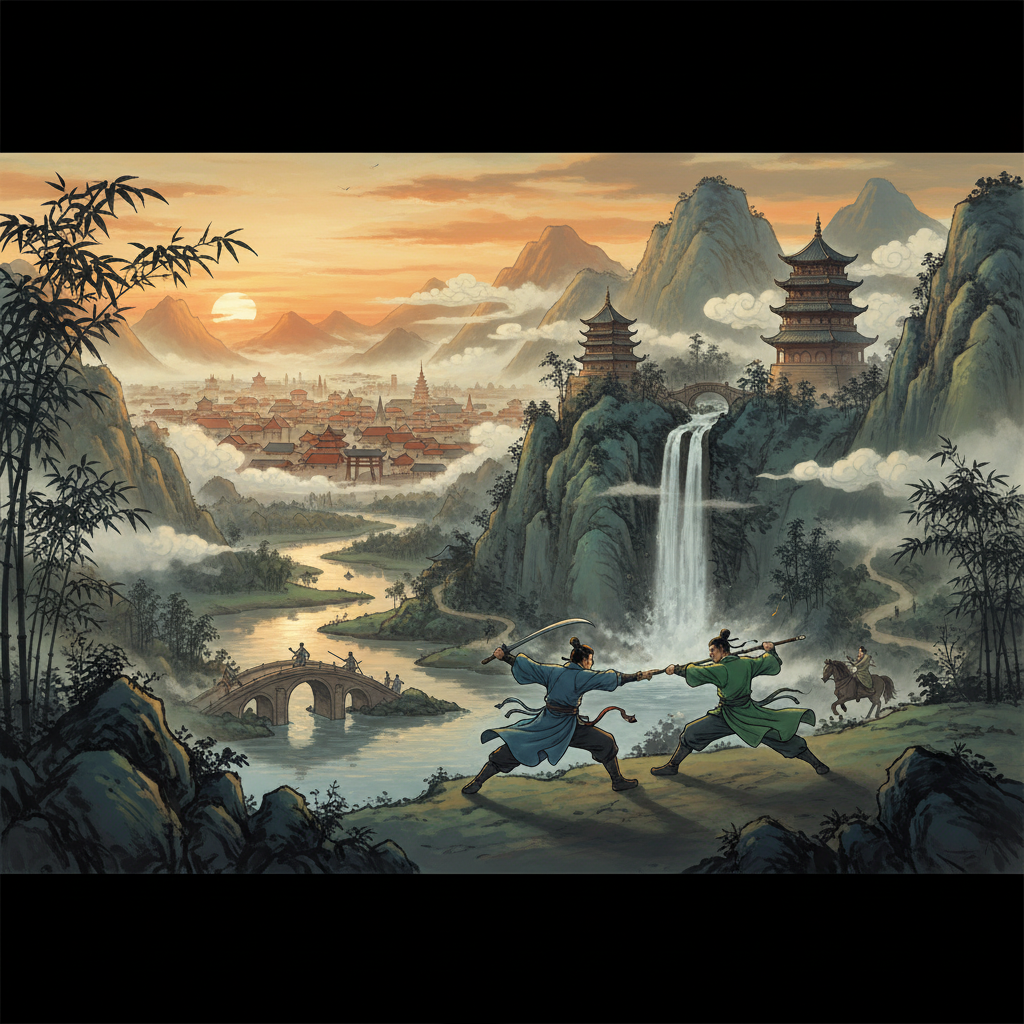
Wuxia, a genre of Chinese literature centered on martial arts and chivalry, has captivated readers for over a century. It is more than just a collection of thrilling exploits involving skilled warriors; it encompasses a vast cultural framework known as jianghu, which translates to "rivers and lakes." This setting serves as a backdrop for tales of honor, friendship, betrayal, and adventure, where protagonists navigate a society filled with intrigue and danger. The juxtaposition of the mystical and the historical makes wuxia a unique form that resonates deeply with Chinese culture.
Historical Context: The Roots of Wuxia
To understand wuxia, one must appreciate its historical origins and evolution. The concept traces back to ancient China, deeply intertwined with traditional philosophies such as Confucianism, Taoism, and Buddhism. These teachings influenced notions of morality, harmony, and the individual's role within society, shaping the characters and narratives found in the genre.
The literary roots of wuxia can be found in the Shuihu Zhuan (Water Margin), attributed to Shi Nai'an, which chronicles the lives of bandits in the Song Dynasty. However, it was during the early 20th century that wuxia as a distinct genre emerged, with authors like Jin Yong (Louis Cha) and Gu Long pushing the boundaries of storytelling. Jin Yong, in particular, is celebrated for infusing historical contexts and romantic elements into narratives, laying the groundwork for modern wuxia literature.
Jianghu Culture: A Social Nexus for Heroes
Jianghu is more than just the setting for wuxia stories; it embodies a unique social structure where martial artists, or jianghu heroes, interact outside the confines of established governance. This realm operates on its own set of unwritten rules, where loyalty and honor govern relationships. Characters often face dilemmas that test their adherence to these values, leading to grand arcs of moral development.
The appeal of jianghu culture lies in its rich tapestry of human experience. It serves as a microcosm of society, where themes of justice, revenge, and camaraderie are explored against the backdrop of breathtaking landscapes and ancient traditions. Readers are drawn to the intricate plotlines and diverse characters who often grapple with their identities, reflecting broader societal issues.
Key Themes and Motifs in Wuxia Novels
Wuxia novels are replete with recurring themes that resonate with readers. Honor and loyalty are paramount; protagonists often risk everything to uphold these values, leading to dramatic confrontations and resolutions. Additionally, the significance of friendship and camaraderie is emphasized, highlighting the importance of alliances in overcoming personal and collective struggles.
Another notable motif in wuxia is the pursuit of martial prowess and self-discovery. Characters frequently embark on journeys to master their skills, seeking both physical and spiritual enlightenment. This quest often leads them to uncover the mysteries of internal martial arts, reflecting the philosophical underpinnings of balance and harmony found in traditional Chinese thought.
Modern Interpretations and Cultural Impact
Wuxia has transcended its literary origins, making its mark in various facets of Chinese culture, including film, television, and video games. Classic adaptations such as The Legend of the Condor Heroes have been immortalized in popular media, drawing new generations into the enchanting world of jianghu.
Moreover, the genre's themes are universally relatable, allowing for cross-cultural adaptations. Films like Crouching Tiger, Hidden Dragon have brought wuxia to international audiences, showcasing mesmerizing fight choreography and stunning cinematography. This globalization of wuxia has ignited interest in Chinese martial arts and philosophy, leading to a newfound appreciation for the depth of its storytelling.
Conclusion: The Enduring Legacy of Wuxia Fiction
The allure of wuxia lies in its ability to blend action, philosophy, and social commentary seamlessly. As readers traverse the world of jianghu and its diverse characters, they are invited to explore complex human emotions and moral dilemmas that resonate across cultures. Wuxia is not just a genre; it is a profound cultural legacy that continues to evolve and inspire. By delving into the pages of kung fu novels, one can uncover not only exhilarating tales of martial arts mastery but also the enduring spirit of a rich tradition that celebrates life, balance, and honor.