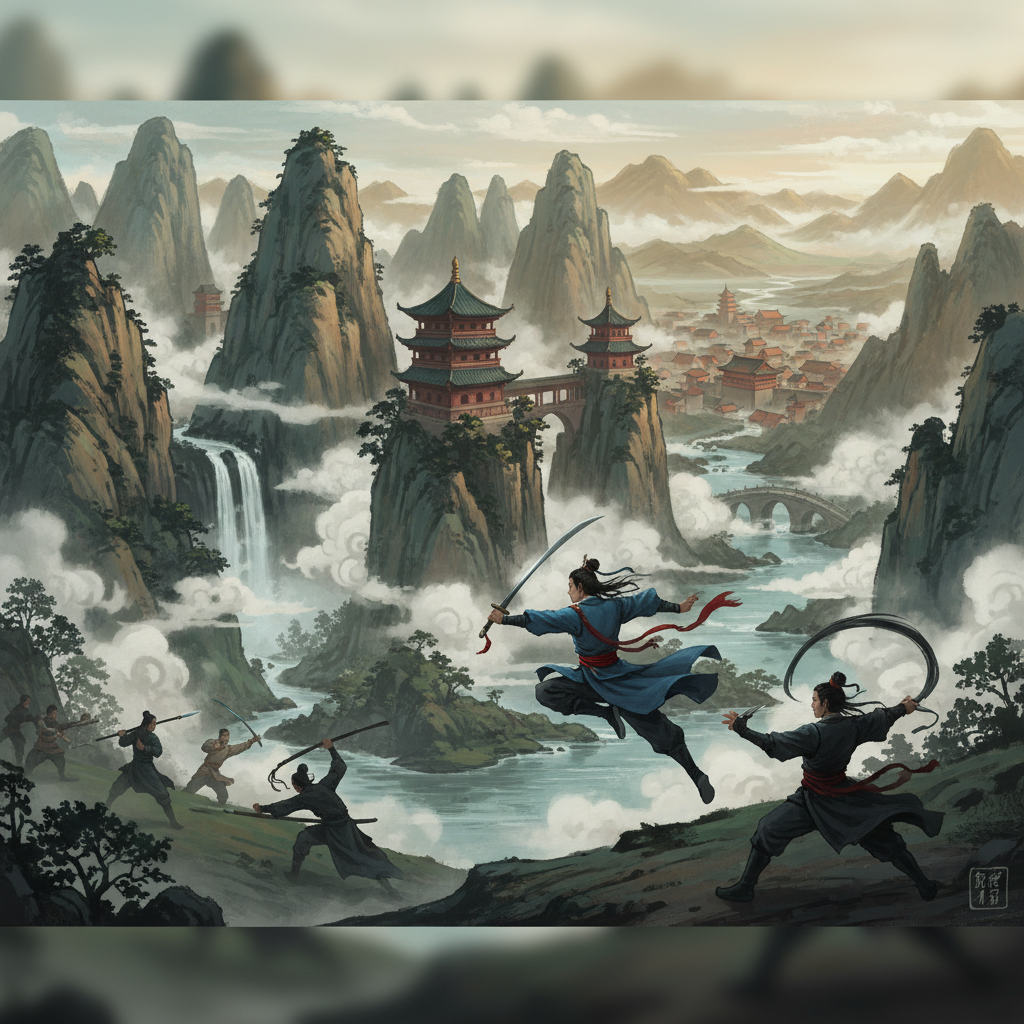
The Intricate World of Wuxia: A Cultural Phenomenon
Wuxia, a genre that intertwines martial arts, romance, and adventure, has captivated readers and viewers from Asia to the wider world. The term itself translates to "martial heroes" and represents tales of bravery, loyalty, and the fight against oppression. At its core, wuxia is more than mere storytelling; it is a reflection of the complexities of Chinese societal values and historical context. This article explores the enchanting universe of wuxia, its cultural significance, and the heroes that have emerged from the rich tapestry of jianghu culture.
Historical Roots: The Evolution of Wuxia Fiction
The origins of wuxia fiction can be traced back to ancient Chinese literature and folklore, where tales of heroes overcoming insurmountable odds were prevalent. During the Ming and Qing Dynasties, stories centered around martial arts began to take shape, capturing the imaginations of the populace. The rise of woodblock printing allowed for these tales to be disseminated more widely, transitioning from oral traditions to written ones.
Modern wuxia fiction, however, gained significant momentum in the 20th century, with authors like Jin Yong (Louis Cha) and Gu Long leading the charge. Jin Yong's works not only popularized wuxia but also infused political and philosophical undertones into his narratives, echoing the struggles of the Chinese people. The genre thus evolved into a complex meta-narrative reflecting societal aspirations during times of turmoil.
The Allure of Jianghu: Understanding the Setting
Jianghu, literally meaning "rivers and lakes," refers to the parallel society in which wuxia heroes operate. This vibrant setting is where martial artists navigate a world filled with intrigue, honor, and sometimes treachery. It becomes a place of refuge for the marginalized, where codes of honor dictate interpersonal relationships, and loyalty is paramount.
Within the jianghu, one can find honor-bound sects, powerful clans, and enigmatic individuals, each contributing to a tapestry of vibrant stories. The cultural significance of jianghu extends beyond mere escapism; it symbolizes the quest for justice in a world that often appears lawless. As a motif, jianghu serves to critique societal inequities while celebrating heroism and camaraderie.
Iconic Heroes: The Archetypes of Wuxia
At the heart of every wuxia tale lies the hero, often cloaked in mystery and possessing extraordinary martial prowess. These characters embody virtues such as loyalty, justice, and sacrifice. One of the most real examples of this archetype is the "Xiang Yu" figure—a tragic hero who, driven by honor and personal ambition, often meets a melancholic fate.
Moreover, female protagonists have emerged as pivotal figures in modern wuxia narratives. Authors like Xiao Ding and Liang Yusheng have created strong, multi-dimensional women who defy traditional gender roles. These heroines not only excel in martial arts but also serve as catalysts for change within their communities.
Cultural Significance: More Than Just Entertainment
The genre of wuxia transcends mere entertainment, holding a mirror to the values and struggles within Chinese society. It explores themes of sacrifice, loyalty, and moral dilemmas, encouraging readers to ponder their own ethical beliefs. The martial arts depicted in these fiction narratives often resonate deeply with practices such as Tai Chi and Shaolin Kung Fu, linking readers to a rich historical legacy.
Wuxia also offers insights into Confucian philosophies, particularly the ideals of righteousness and propriety. The protagonists often grapple with personal dilemmas that reflect broader societal issues, creating a space for readers to reflect on their beliefs and choices.
Conclusion: The Enduring Legacy of Wuxia Heroes
As we journey through the pages of wuxia novels and the cinematic masterpieces that bring these stories to life, it becomes evident that the allure of these heroes and their struggles remains timeless. The genre continues to evolve, integrating modern themes while staying true to its roots.
Wuxia invites readers not just to admire the heroic feats of its protagonists but to engage in their moral and philosophical quests, resonating with a wide audience over generations. In the grand tradition of storytelling, wuxia stands as a testament to the strength, resilience, and unyielding spirit of heroes amidst the complexities of life and honor.