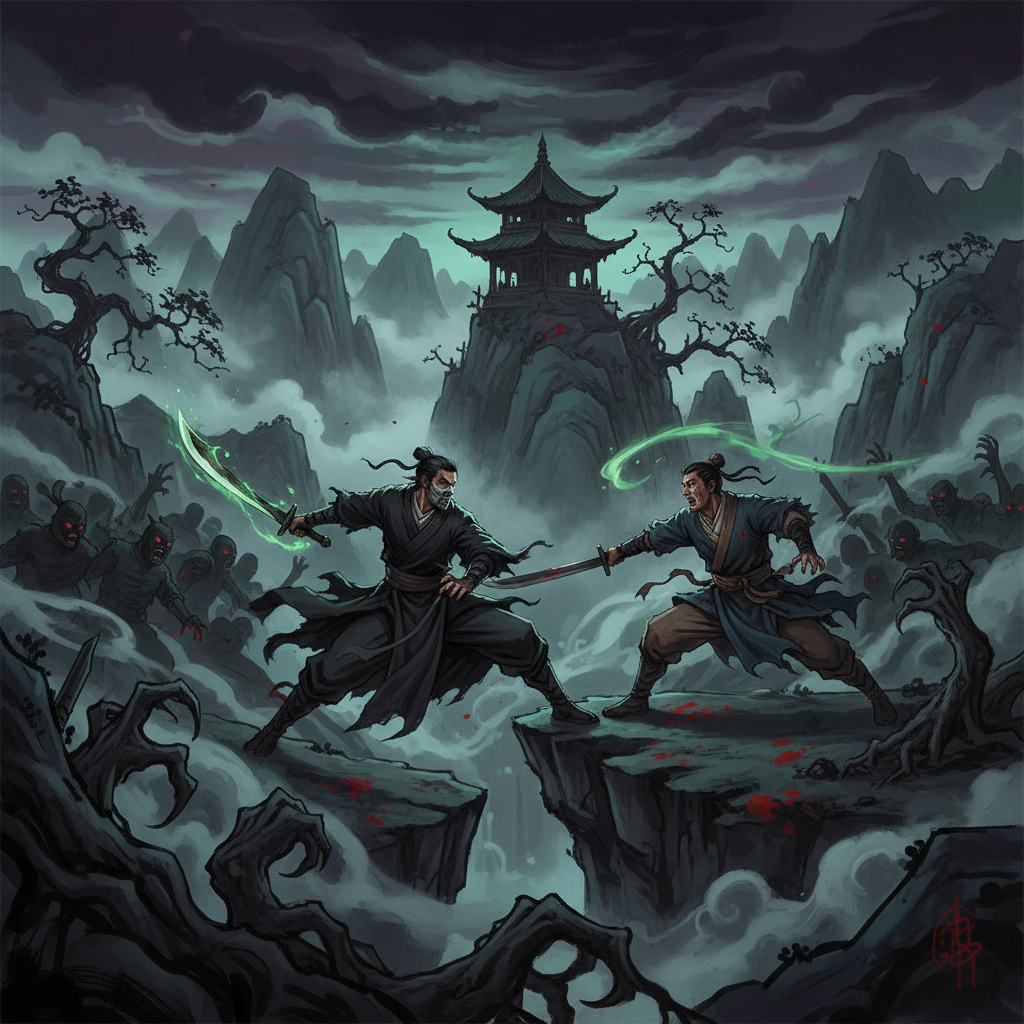
The Allure of Wuxia: Chinese Martial Arts and its Dark Side
Wuxia, a term that directly translates to "martial heroes," forms one of the most captivating genres in Chinese literature, intricately woven with themes of adventure, honor, and morality. However, nestled within this vibrant tapestry are darker undertones often characterized by horror. This article delves deep into the cultural significance of wuxia, its embedded horror elements, and how jianghu culture influences the narratives of martial arts fiction.
Historical Context: From Antiquity to the Pages of Modernity
The roots of wuxia can be traced back to the ancient tales of heroic figures and folklore dating from the Han Dynasty (206 BCE–220 CE). The genre gained momentum with the story collections "Sanguo Yanyi" (Romance of the Three Kingdoms) and "Shuihu Zhuan" (Water Margin), eventually evolving into the classical wuxia novels during the Ming and Qing dynasties. Writers such as Jin Yong (Louis Cha) and Gu Long further popularized the genre in the 20th century, weaving rich narratives imbued with the moral dilemmas and darker explorations of human experiences.
A significant aspect is the jianghu culture—essentially a "rivers and lakes" community representing a world where martial artists exist outside conventional society. This subculture thrives on loyalty, rivalry, and sometimes, the terrifying consequences of betrayal. The context of jianghu invites a mélange of supernatural and horror elements, deviating from mere sword fights to battles against malevolent spirits, cursed artifacts, and existential dread.
Jianghu Culture: The Supernatural and the Sinister
Jianghu is not just a backdrop; it is a character integral to the development of plot and character dynamics. This world is often portrayed as chaotic and unpredictable, populated by both noble warriors and terrifying foes. Many stories draw on traditional Chinese folklore, weaving in mythical creatures, vengeful spirits, and dark magic, which serve as metaphors for real-life fears and anxieties.
Horror elements manifest in various ways: haunted temples, bloodthirsty sects, and ghostly apparitions lurking in the shadows. This dichotomy of light against darkness not only reflects human struggles against evil but also showcases the psychological depths of fear. The very act of mastering martial arts often becomes a harrowing journey into one's own psyche, where heroes confront their inner demons alongside external threats.
Notable Themes: Fear, Betrayal, and Revenge in Kung Fu Novels
The intersection of horror with wuxia fiction allows for the exploration of themes such as fear, betrayal, and revenge. For instance, many kung fu novels offer a profound commentary on moral ambiguity—heroes may resort to horrifying means to achieve their ends or confront their foils.
Take the concept of "demonic cultivation," where a martial artist forsakes their morality for power. This path often leads to horrific transformations or grotesque outcomes, underscoring the genre's overarching theme of sacrifice. The specter of vengeance also looms large, often manifested through curses or haunting pasts that pursue the protagonist, evoking a sense of inexorable fate that traps characters in a web of horror.
Popular Wuxia Titles Infused with Horror
Several classic and contemporary titles illustrate the rich tapestry of horror intertwined with martial arts narratives. Jin Yong's "The Legend of the Condor Heroes" has moments where the protagonists encounter cryptic prophecies and ominous spirits, heightening the stakes in their quests. Gu Long’s works, such as "The Eleventh Son," display a dark humor blended with eerie encounters that challenge the tenets of heroism and morality.
Moreover, recent adaptations in film and television have further accentuated the horror aspects, often using stylistic cinematography to depict chilling encounters that explore the meaning of courage against unseen fears. The blending of martial arts with horror not only attracts niche audiences but expands the genre's appeal, promising something fresh and compelling.
Cultural Significance: Reflections of Society through Horror
The enduring popularity of horror-infused wuxia literature speaks volumes about the society it originates from. Tales of haunted locales, blood debts, and moral dilemmas resonate deeply with fears rooted in tradition and modernity. They reflect a cultural identity grappling with historical trauma, social upheaval, and the pervasive uncertainty of existence.
As readers journey through these narratives, they grapple with philosophical questions that linger long after the last page is turned. The monstrous figures may embody societal fears, while heroic journeys serve as allegories for personal growth through dark times, making the horror inherent in wuxia literature not merely for shock but as a medium for profound introspection.
In conclusion, the intricate relationship between horror and wuxia provides a compelling lens through which to view both genres, offering an enriched understanding of the human condition, creativity, and cultural identity in Chinese martial arts fiction.